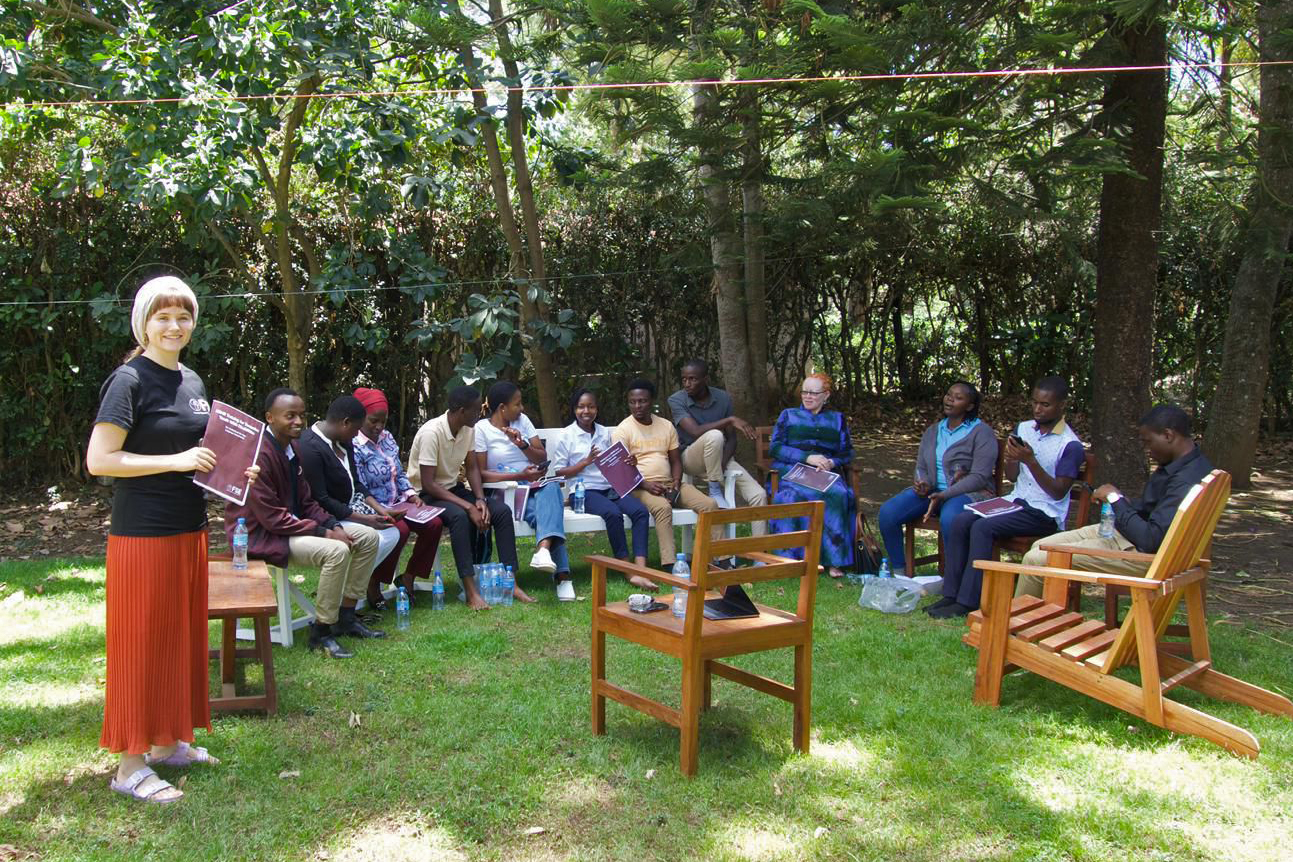
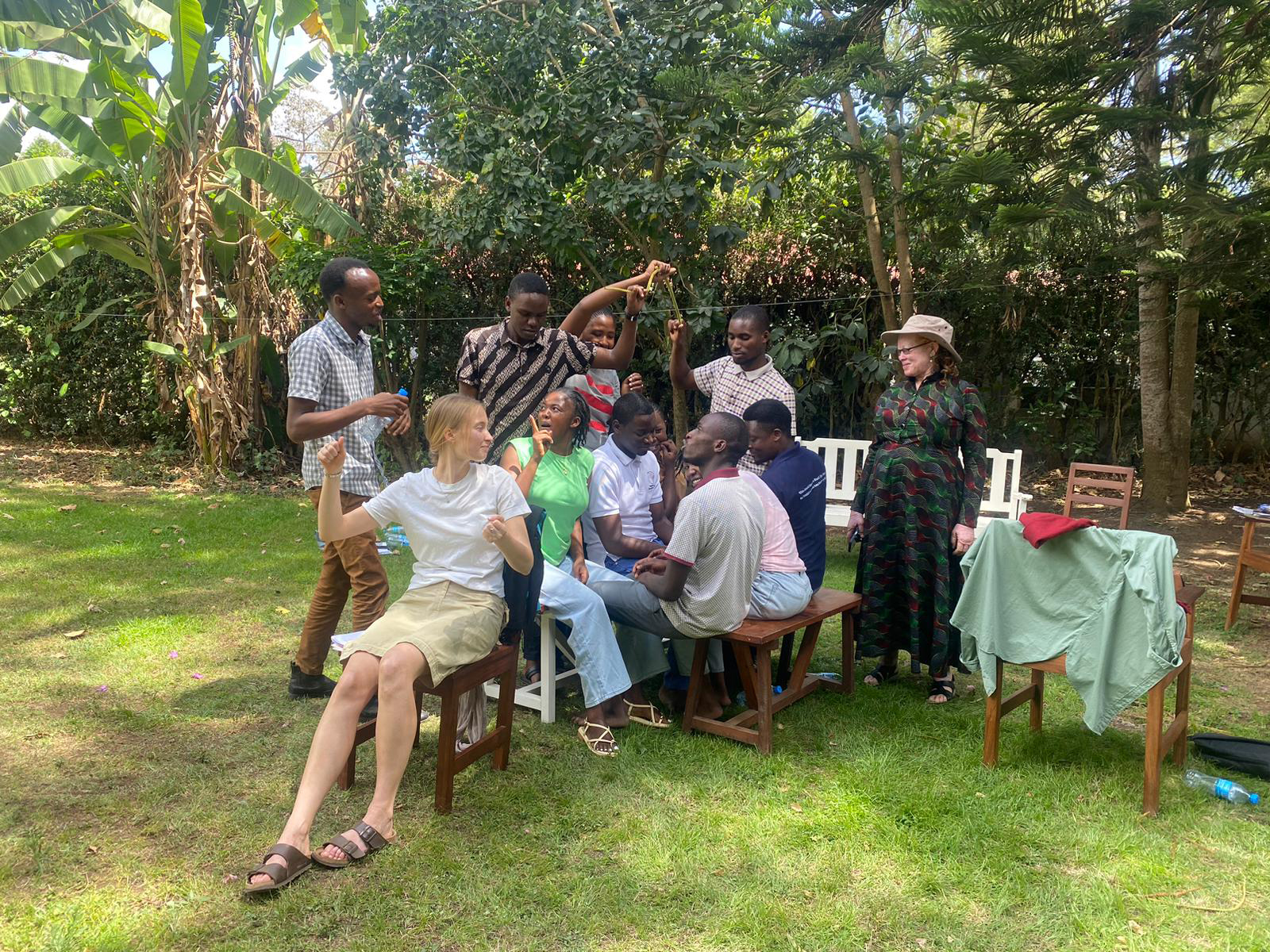
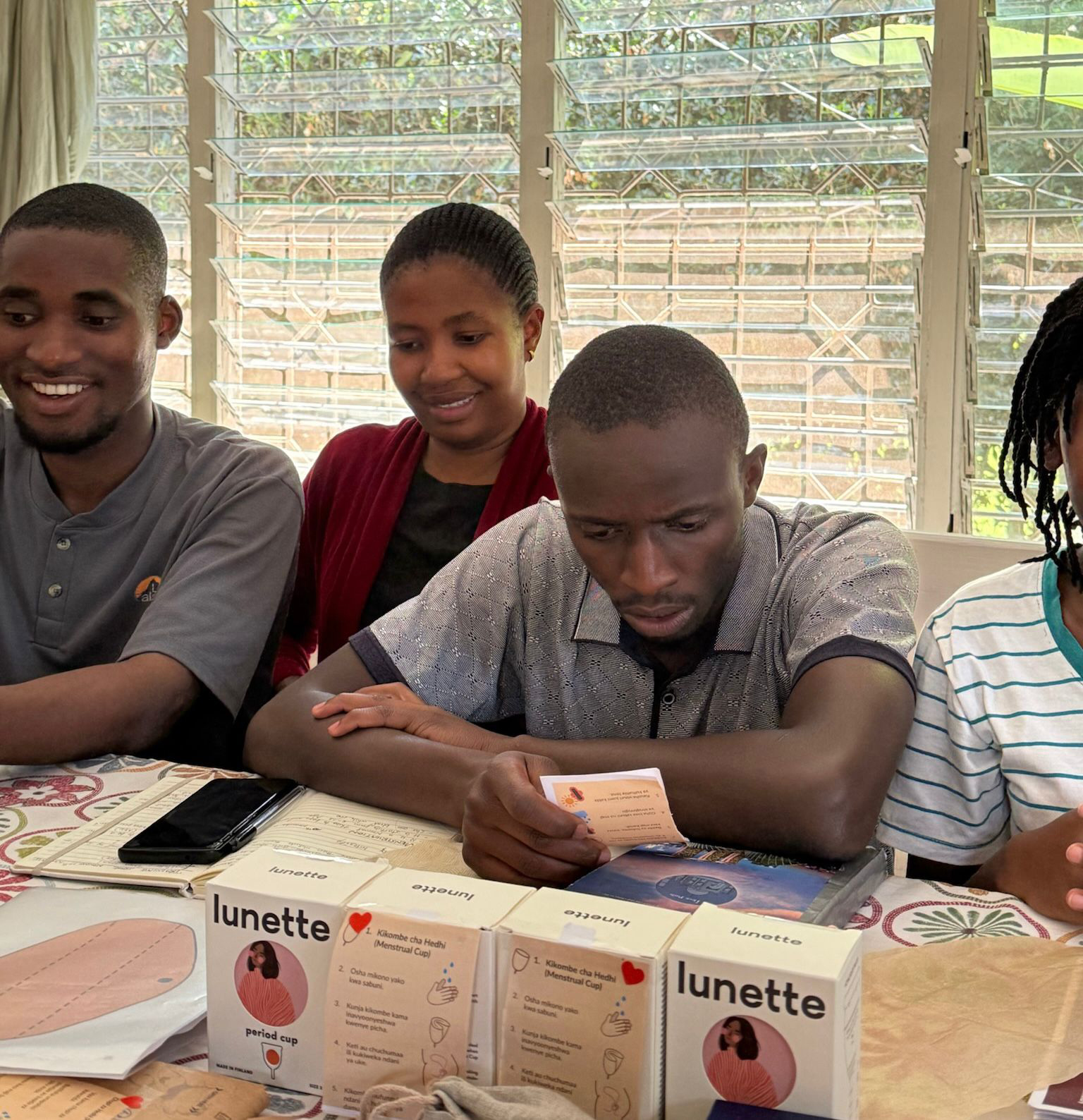
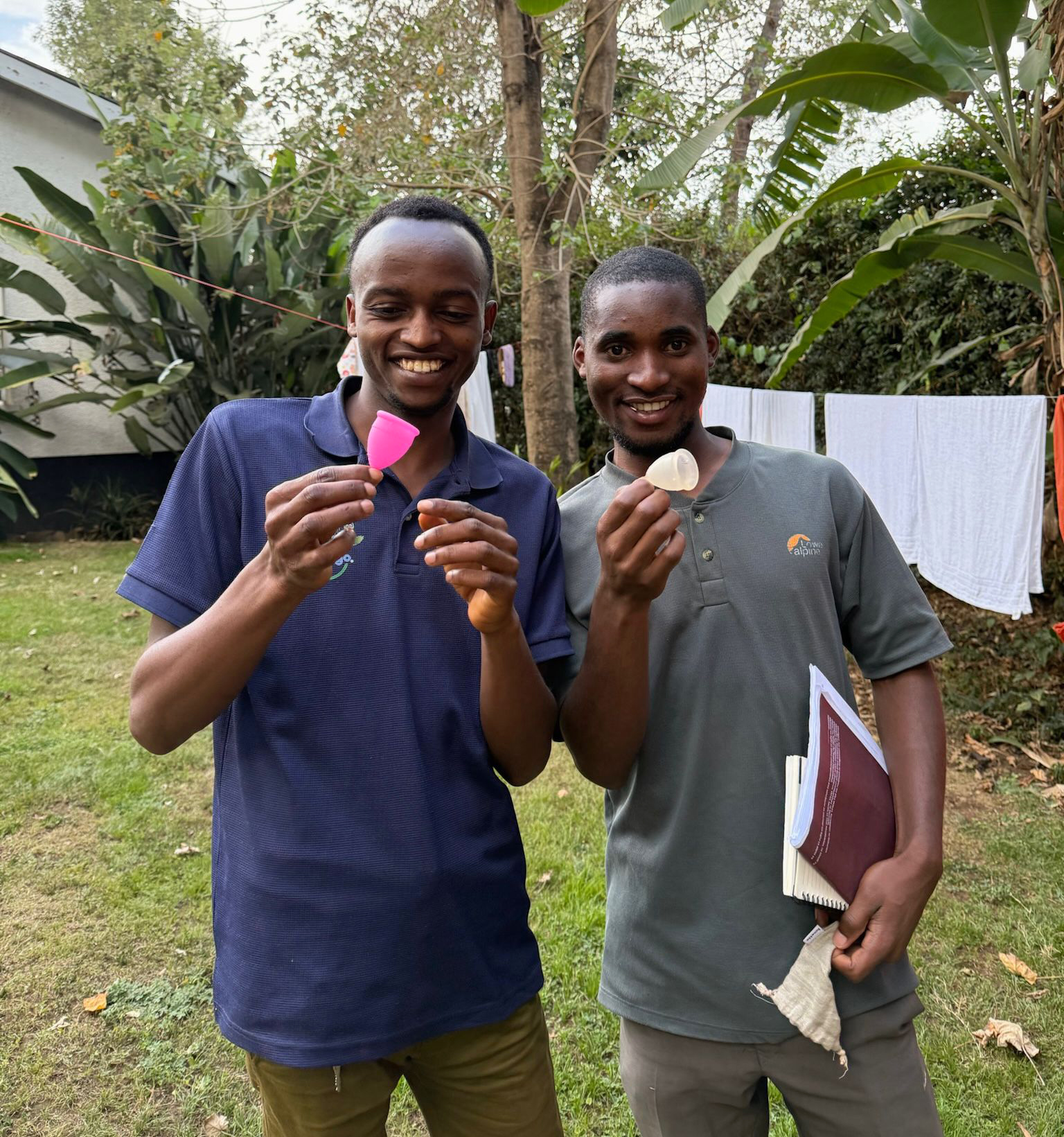
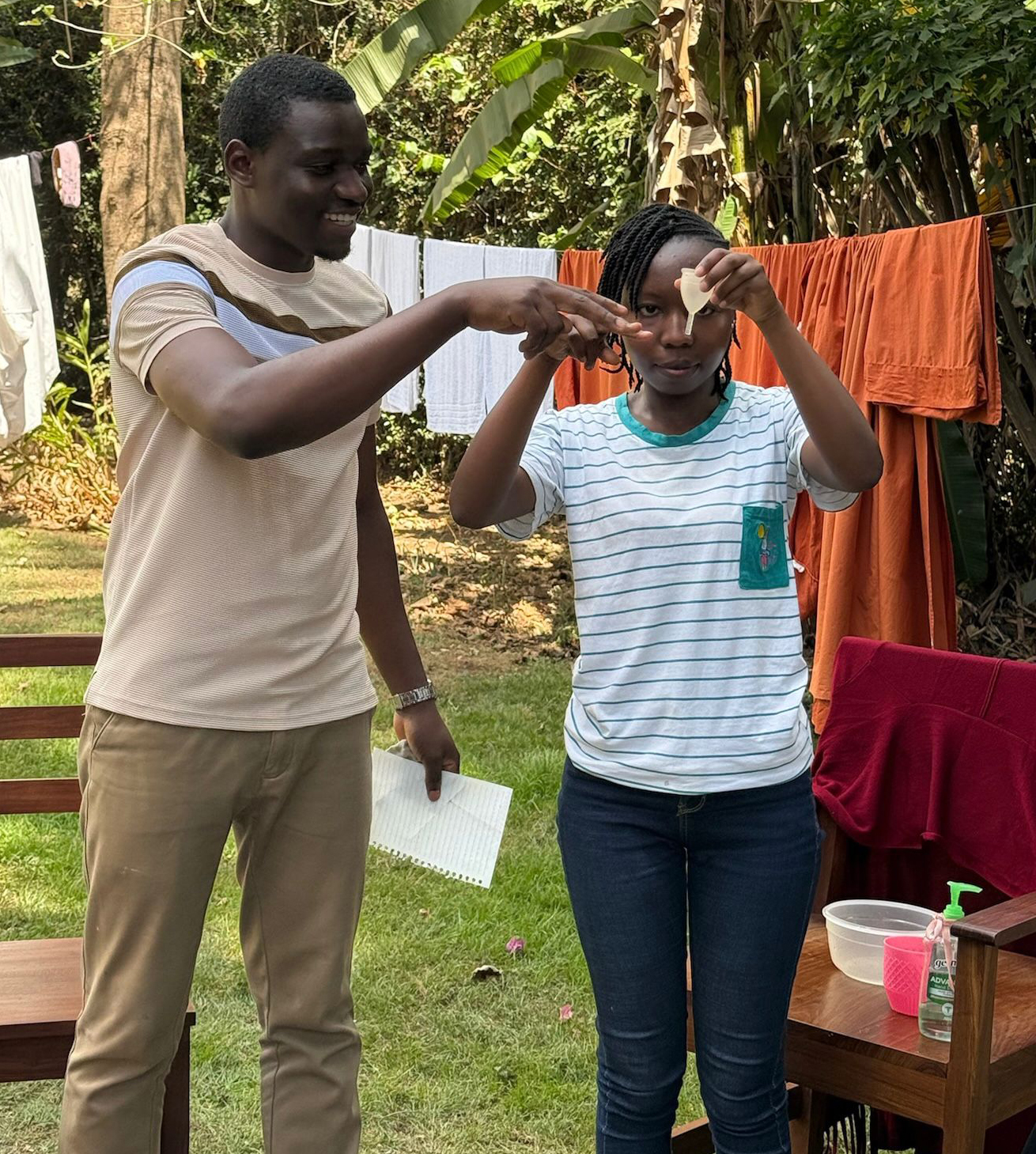
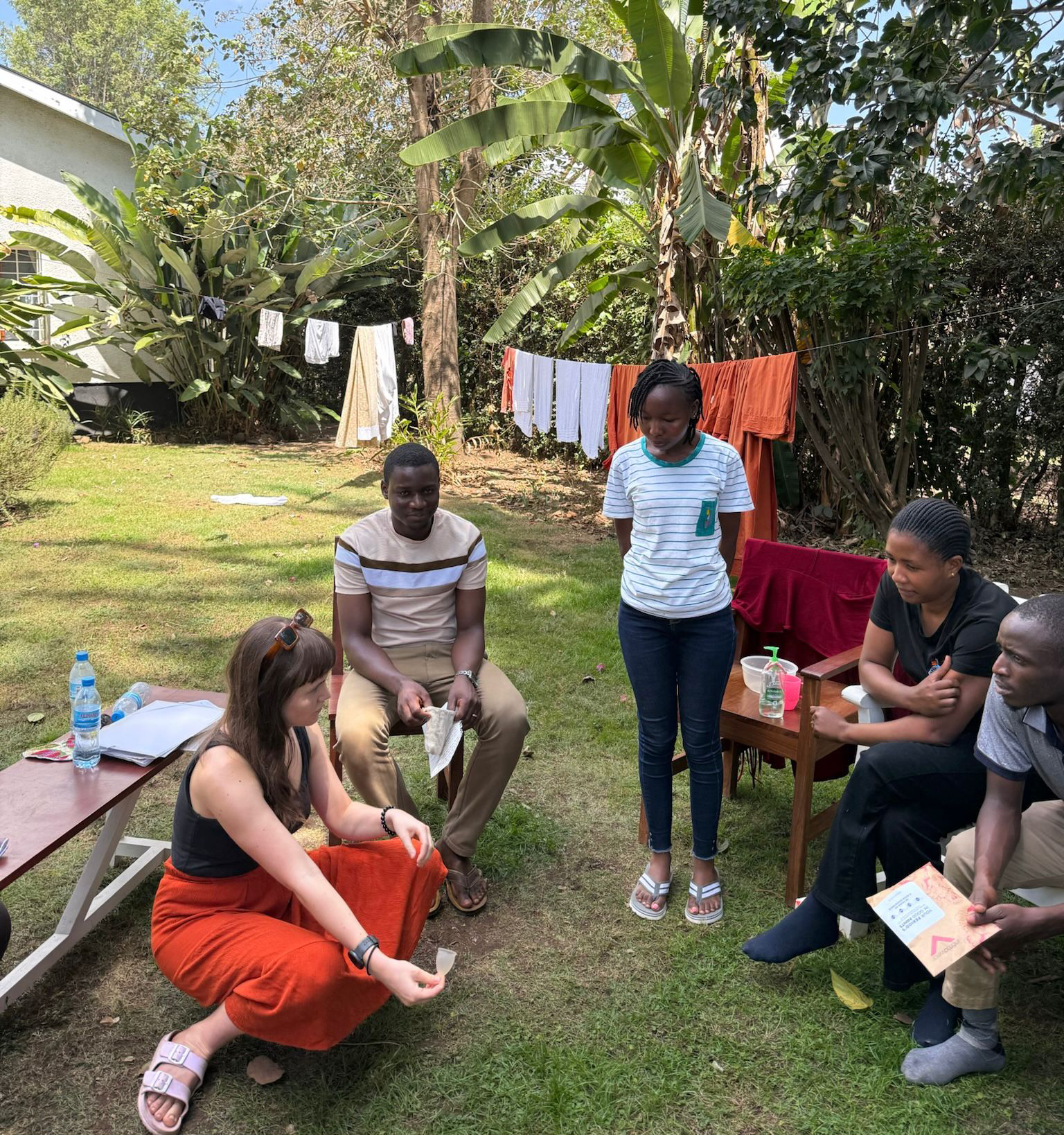
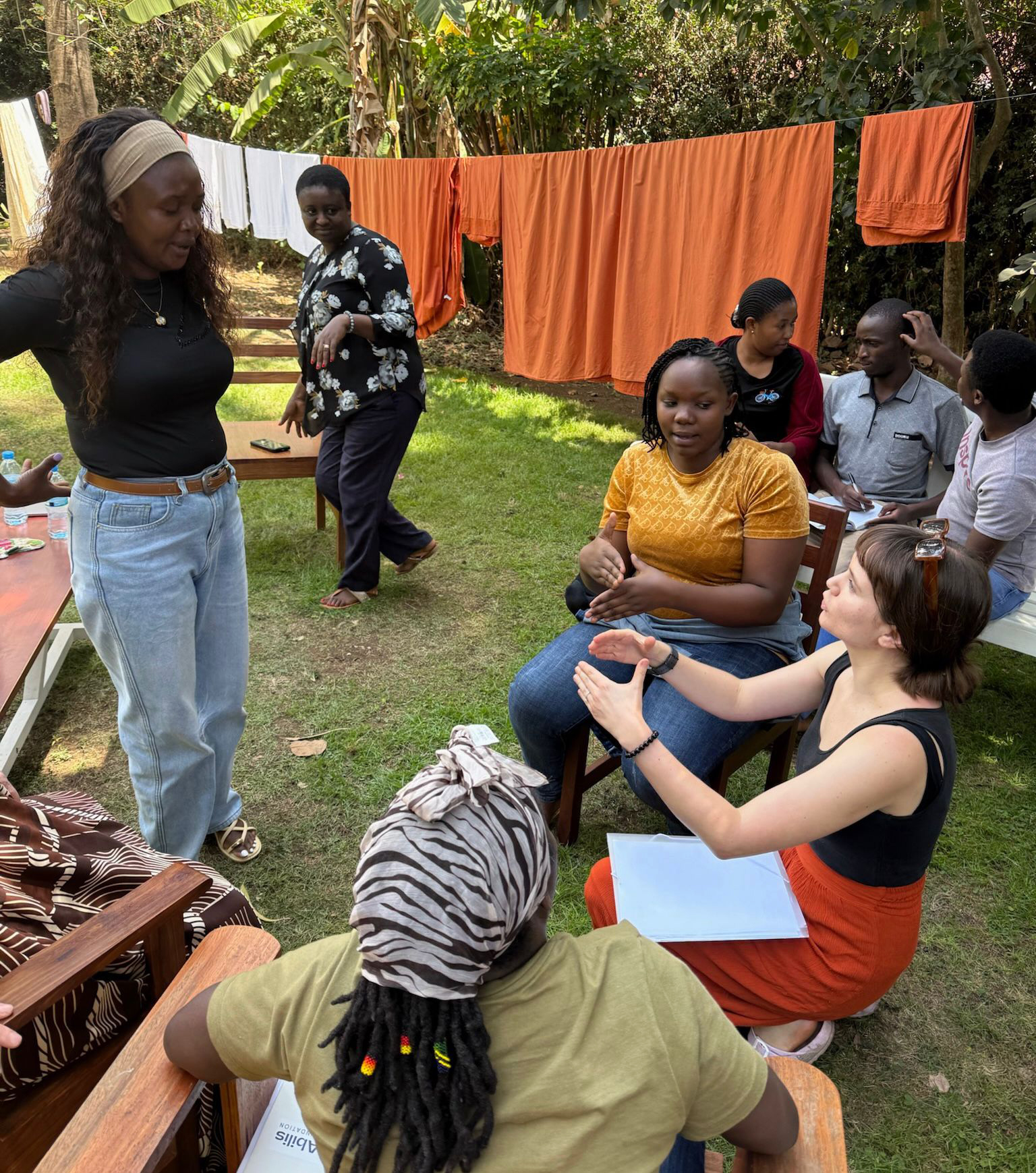
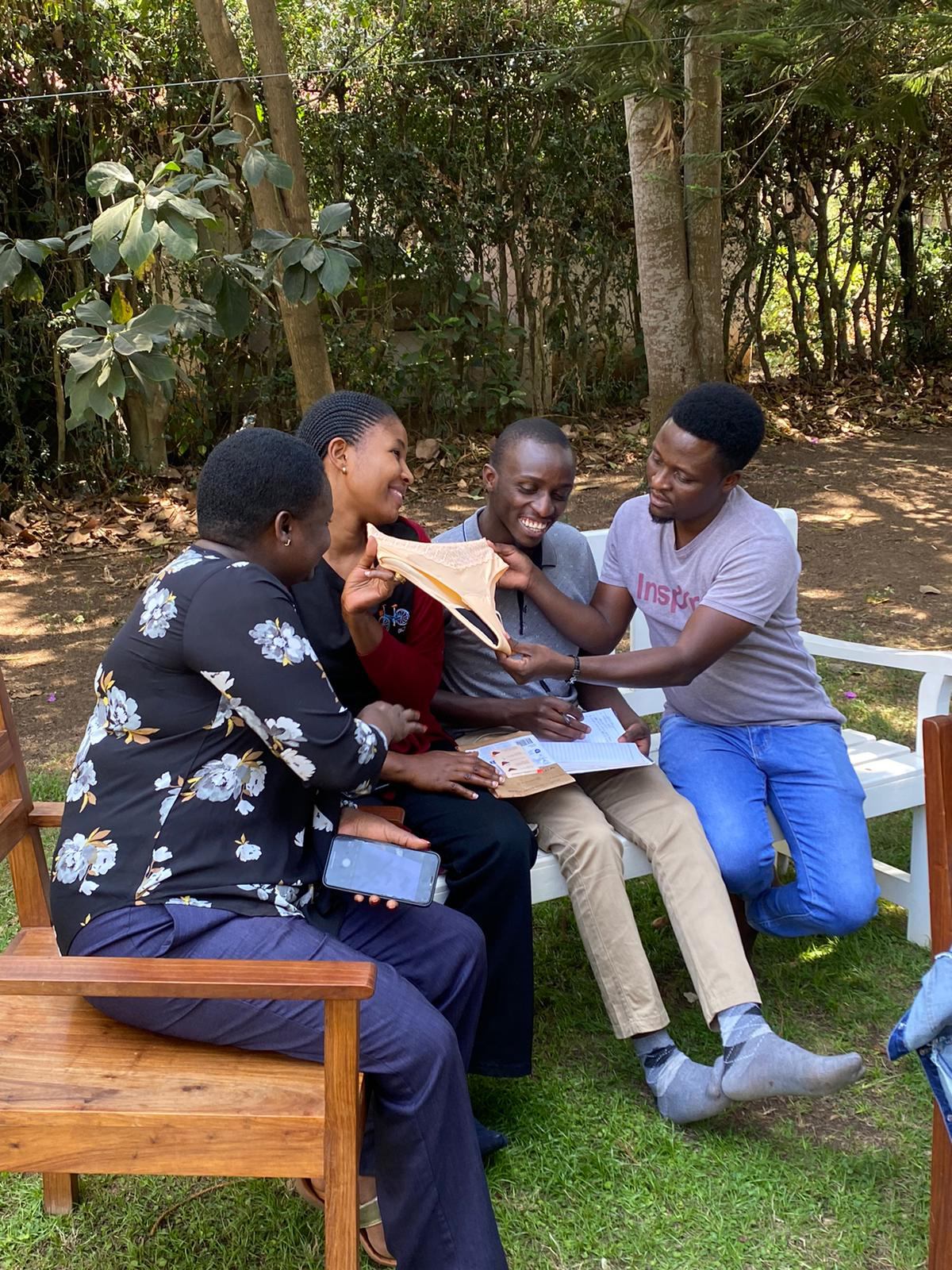
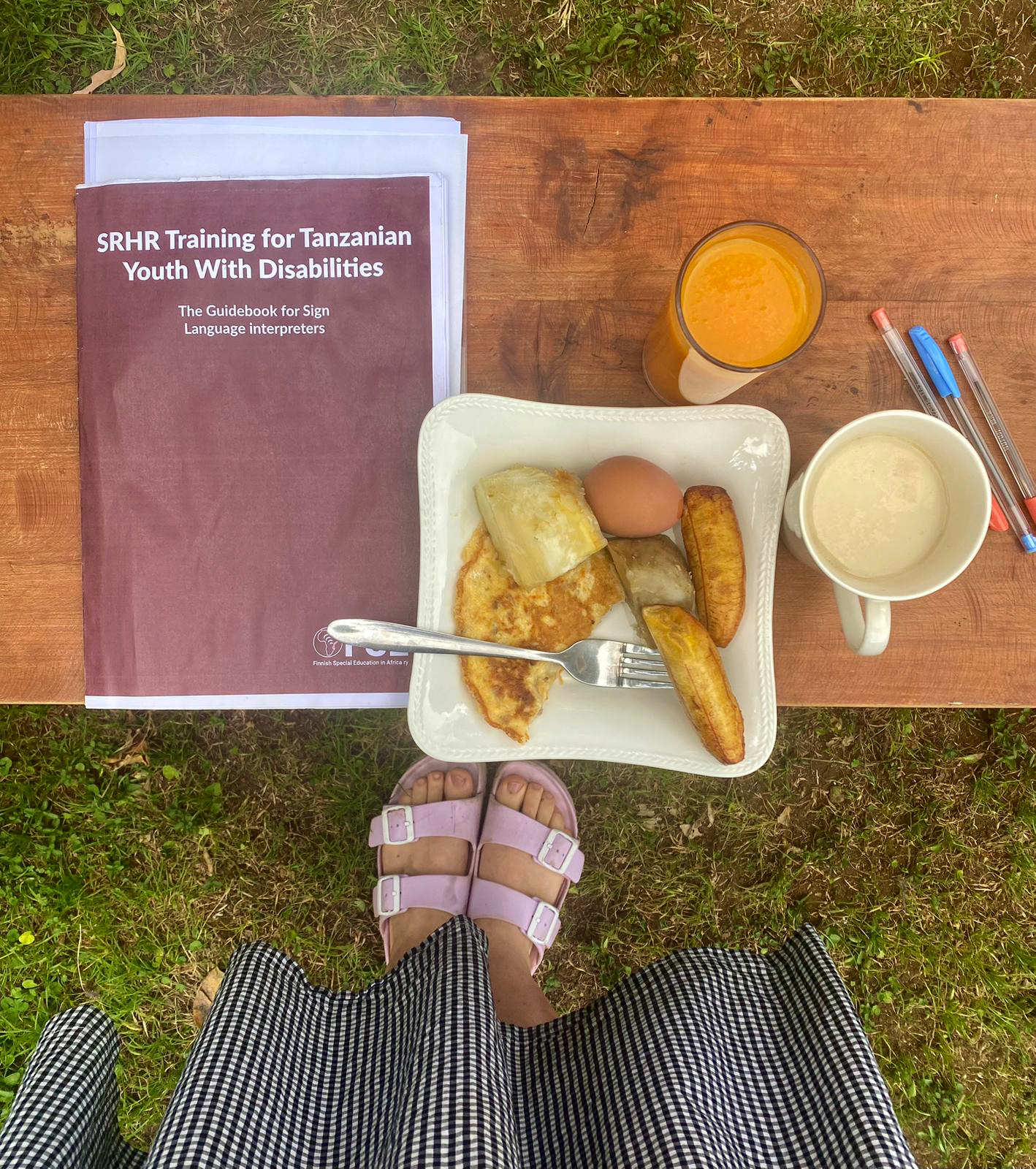
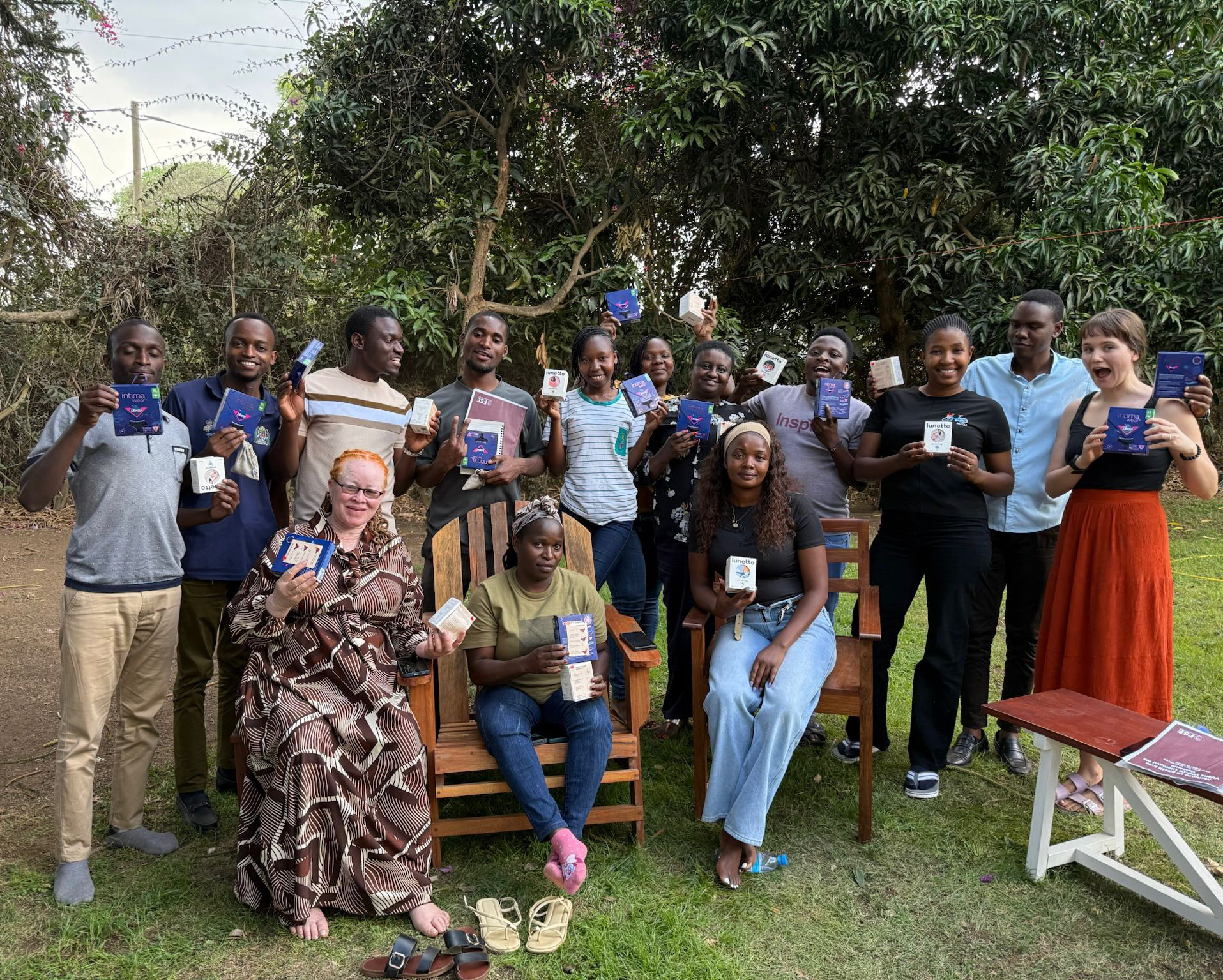
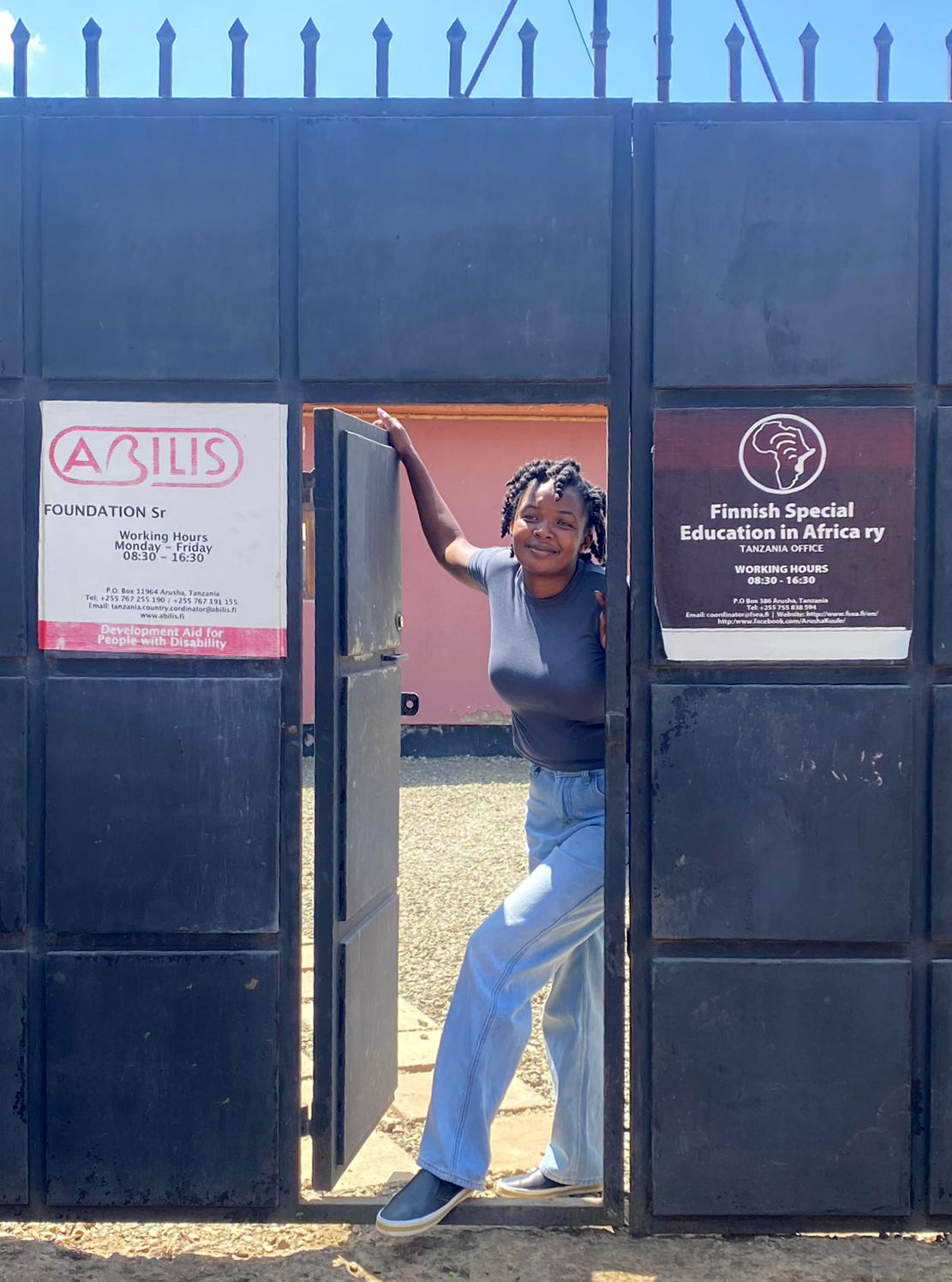
We have now returned to Finland after a rewarding and meaningful trip to Arusha. Despite the wider political uncertainty, the situation felt more stable now with schools and stores being open as normal. As mentioned in our previous blog post, our main goal for this trip was to train FSE’s sign language interpreters in Sexual and Reproductive Health and Rights (SRHR) education and menstrual hygiene, so that they can share the knowledge further to students with disabilities in the form of an afternoon club.
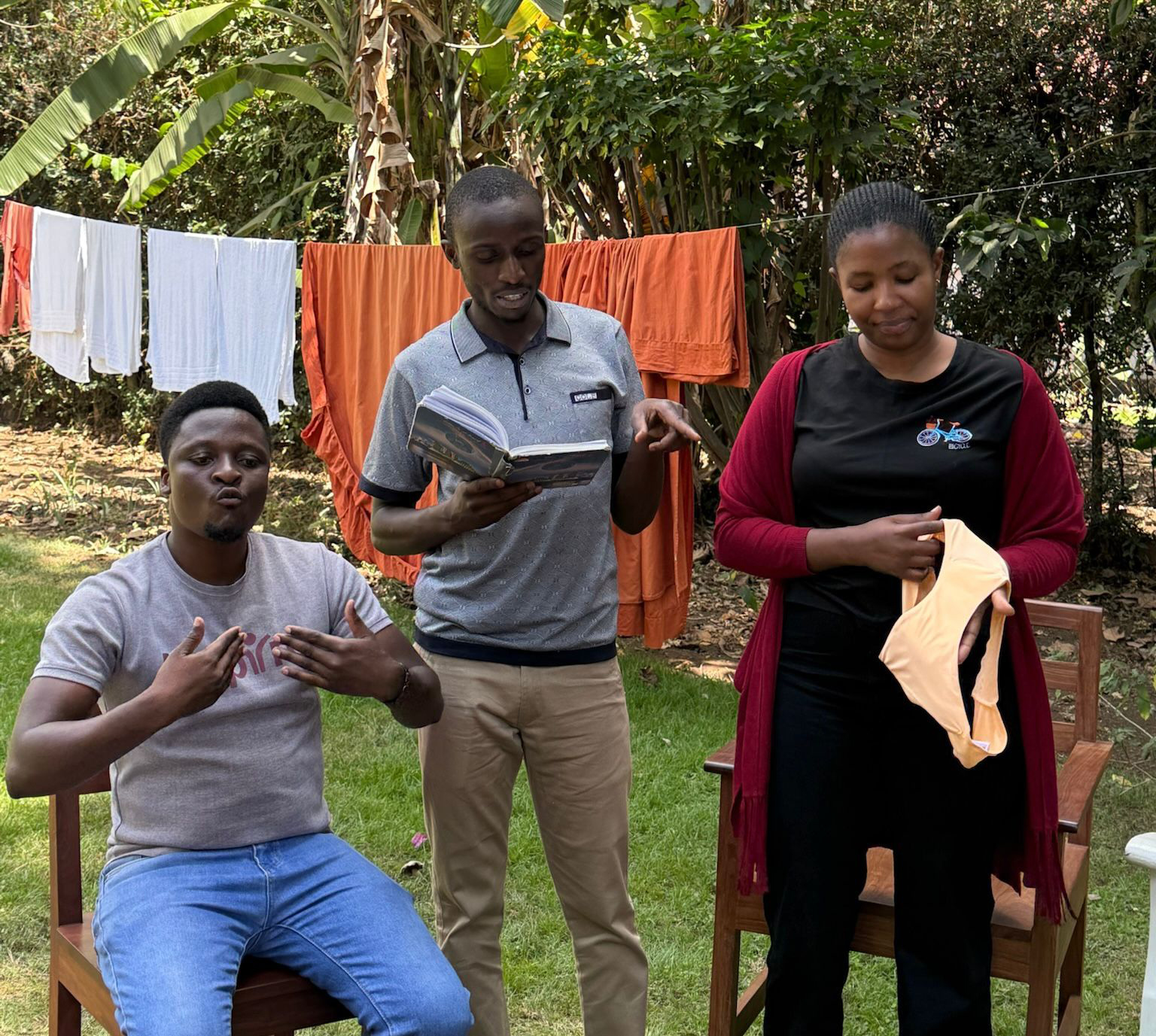
We, the trainers, met for the first time at the airport and it was clear right away that our collaboration would work. Taika brought professional expertise and subject-matter depth to the training content, while Jenni supported facilitation and guided the discussions. The dynamic worked well and created a strong foundation for the week. The training was organised as a four-day programme, covering topics such as bodily integrity, sexual health, menstruation, and cultural aspects of communication.
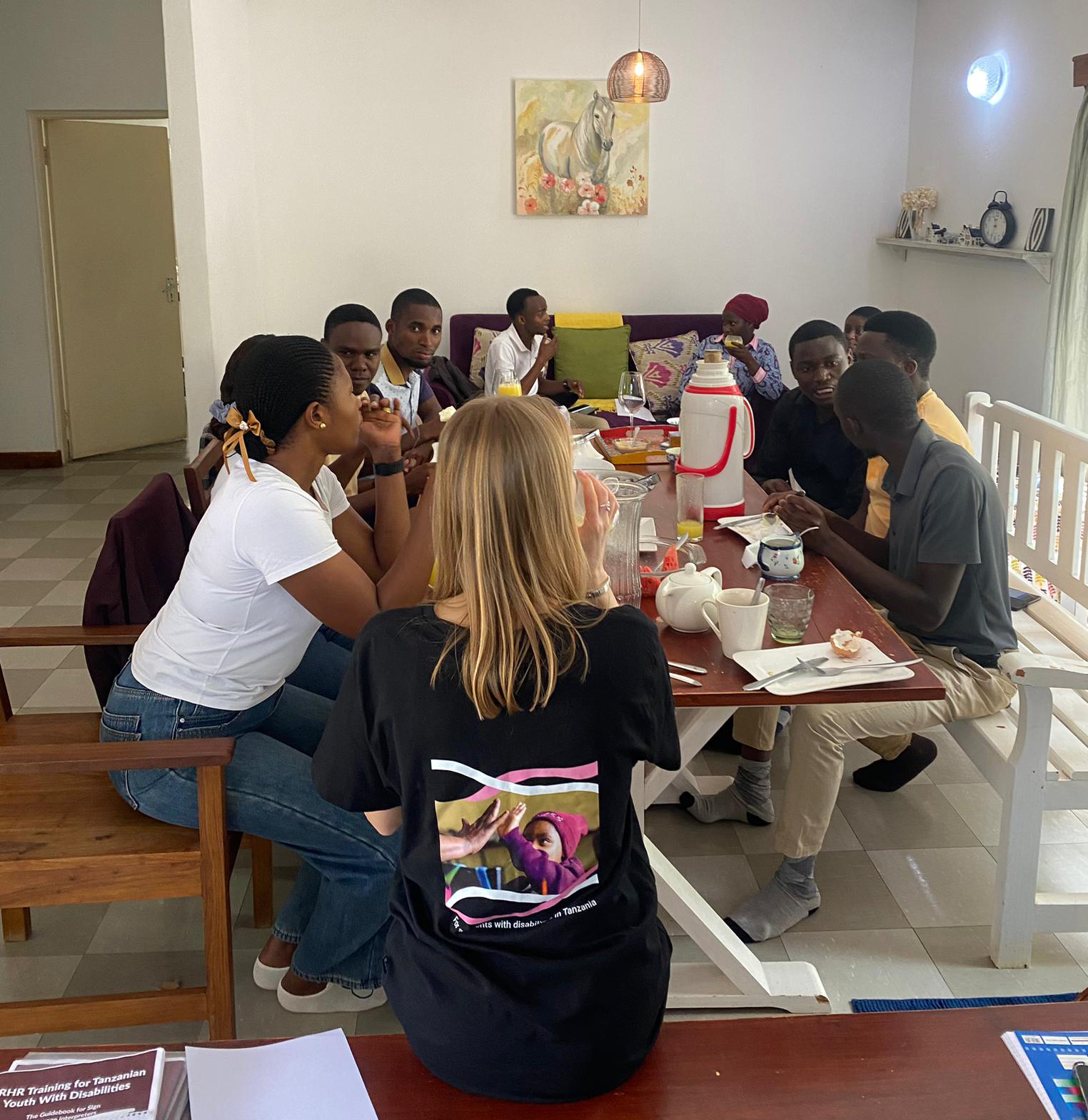
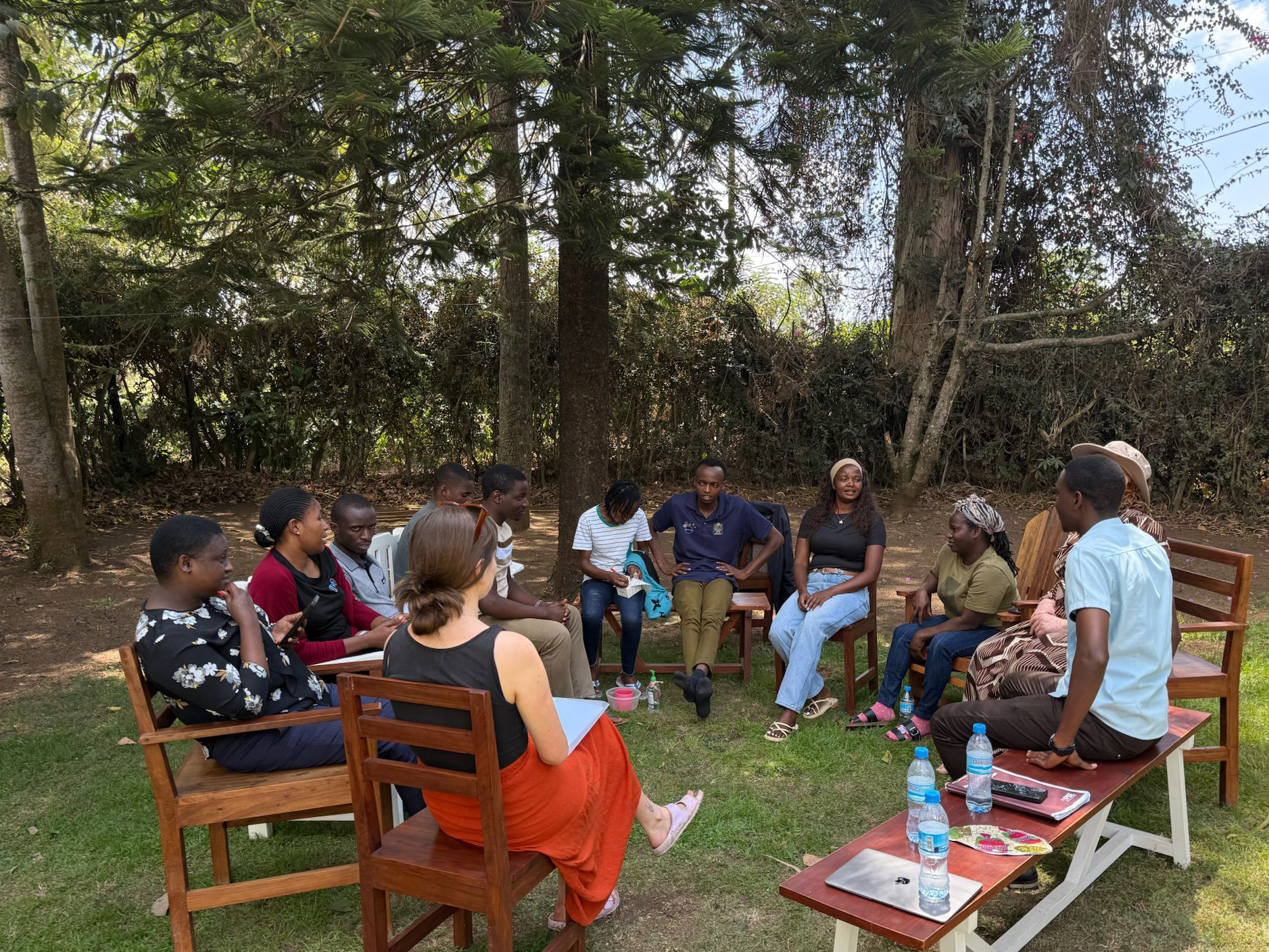
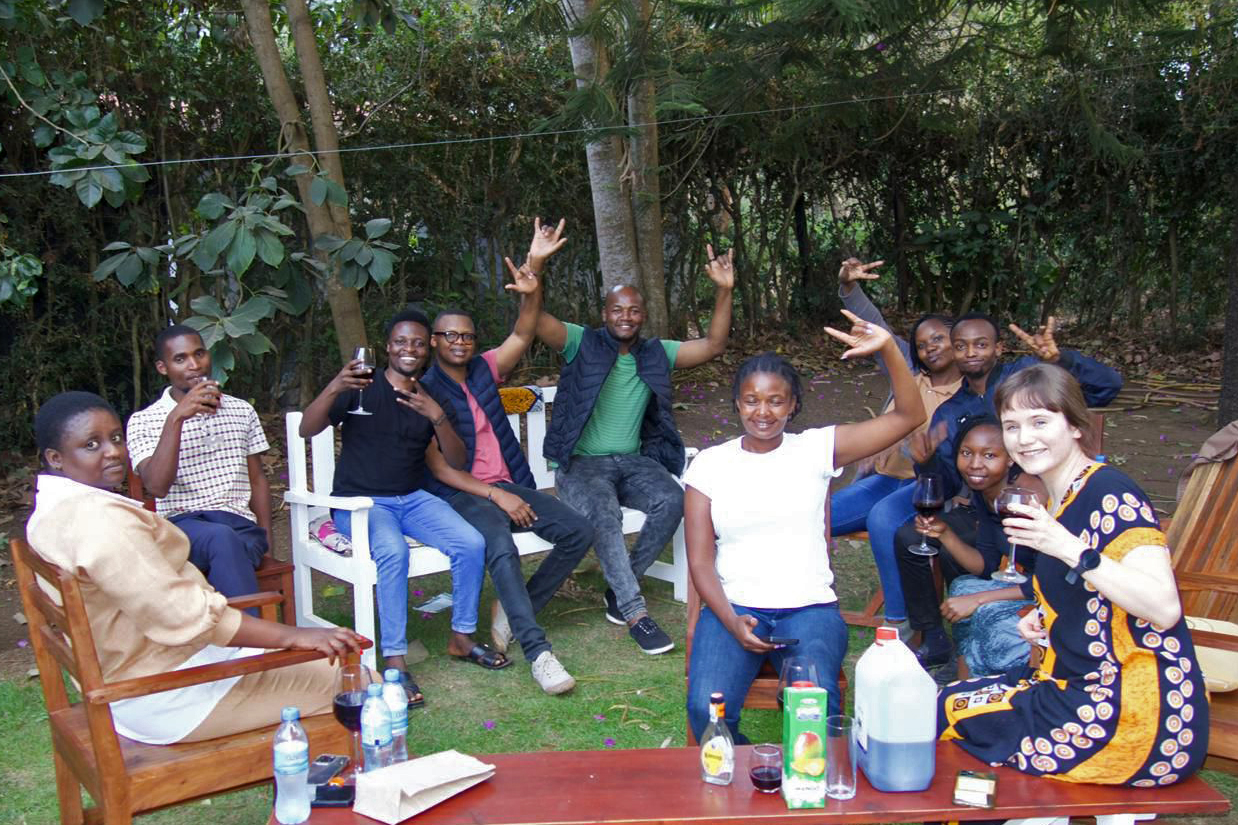
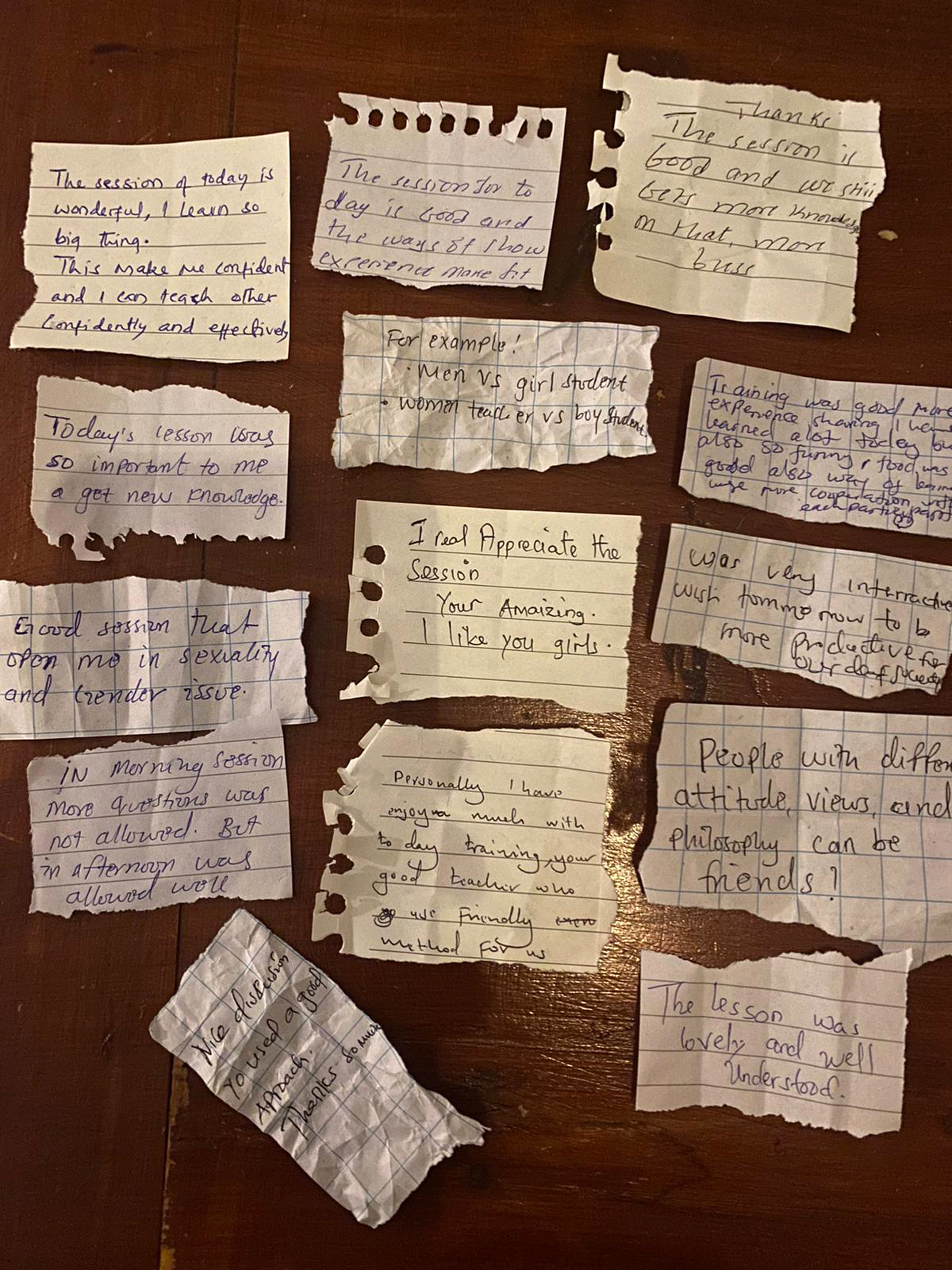
The training exceeded our expectations, both in terms of participation and the reception of sensitive topics. The openness and willingness of participants to engage with difficult themes truly surprised us in a positive way. Even older participants were highly open-minded to the content. The younger interpreters brought a strong desire to challenge norms. We stayed at the same location where the training was held, which created a sense of community and made the experience even more meaningful. The practical and interactive approach was especially appreciated. Participants valued the relatable examples, and the safe space created for dialogue.
One of the strongest messages that emerged from the training was the importance of knowledge sharing, and of becoming ambassadors for SRHR. Participants expressed strong commitment to passing on what they learned, not only to students with disabilities, but also to fellow teachers, colleagues, and even family members. The role of culture in shaping communication, myths, and approaches to sexual health also came up repeatedly. Personal stories and lived experiences proved powerful tools for connecting with students.
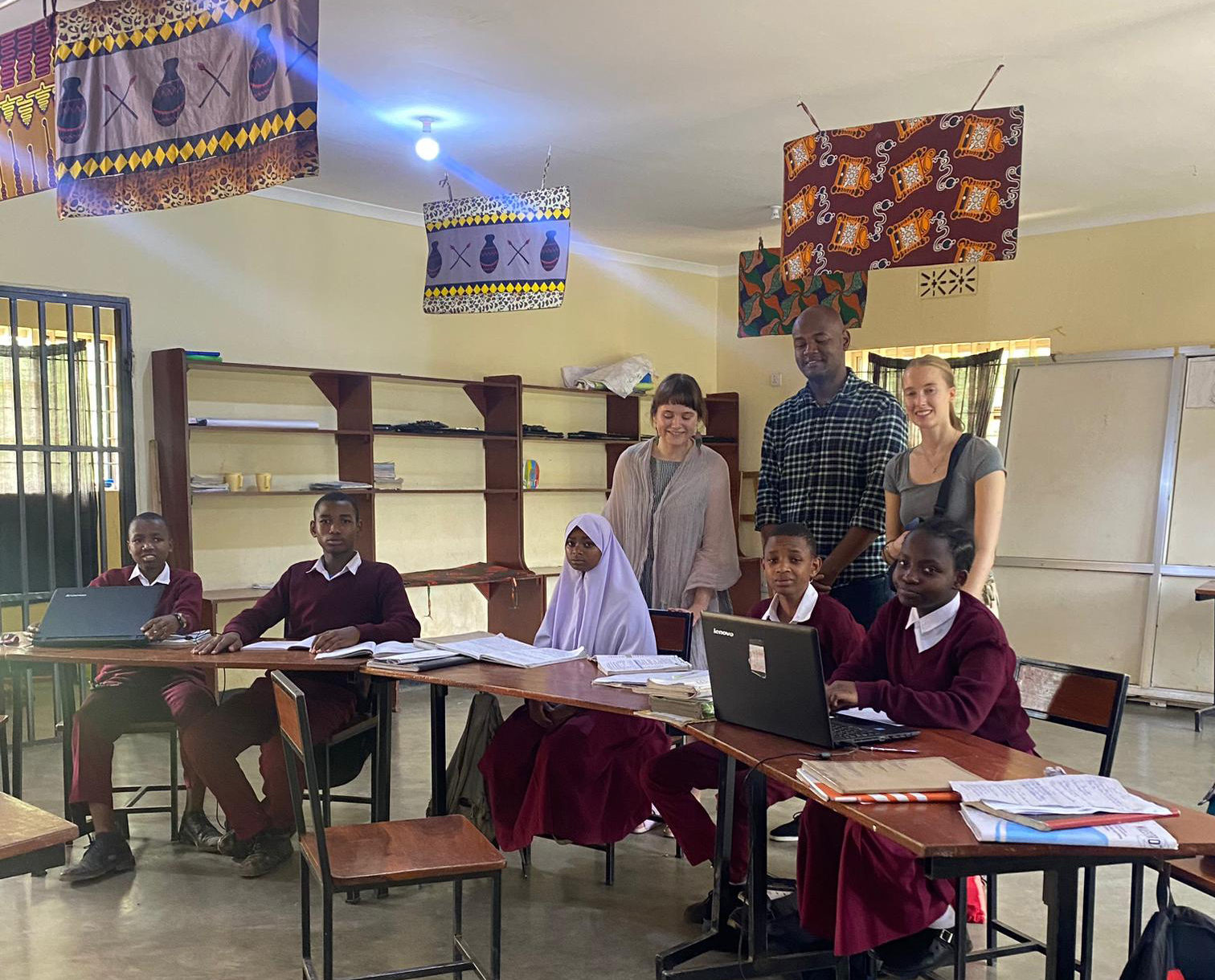
The goal is to officially start the Afternoon Clubs in Q1 of 2026. After the launch, we will organise regular online check-ins to discuss challenges, share lessons learned, and follow up on progress, such as how menstrual cups and menstrual underwear are being adopted in practice. During our visit, we also had the opportunity to visit Patandi, where the clubs will take place. It was encouraging to see the classroom and preparations for the upcoming kitchen garden project. Everything is moving steadily toward the start of next year. We left Arusha
inspired, and confident that the interpreters who joined the training will play a key role in bringing meaningful change forward.
-Jenni Katajarinne & Taika Wiikari