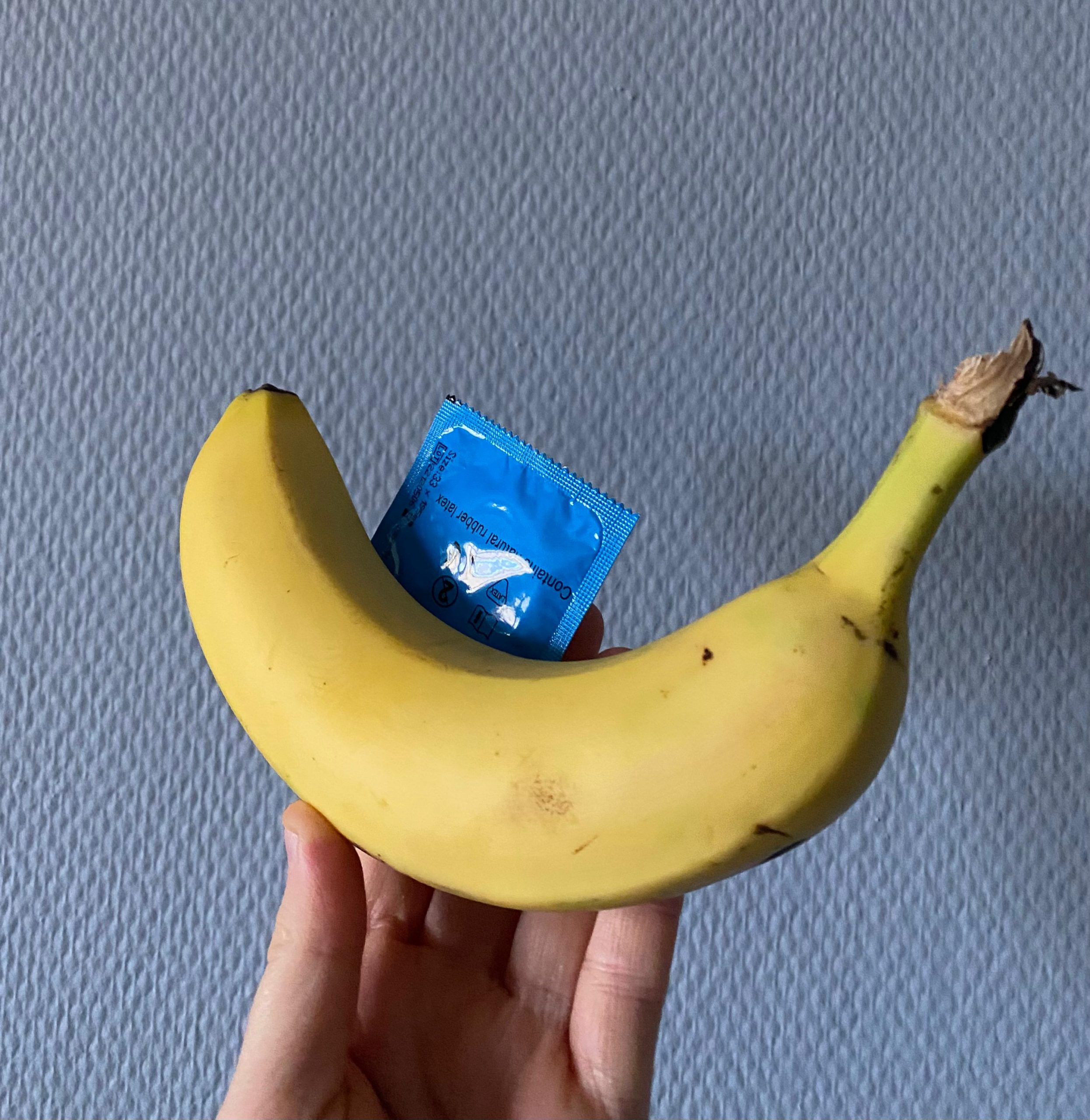
What kind of sex education did you receive as a teenager? I have a vivid memory from middle school: our health education teacher, cheeks glowing red, demonstrated how to put a condom on a banana while the boys at the back of the class made expert remarks about the “condom being too small for such a big banana.” Back in 2011, sex education was very much focused on contraception, and to be honest, that awkward banana demonstration is about all that stayed with me.
In Finland, even today in 2025, there’s still only limited time for sex education in the curriculum, and the quality varies greatly depending on the teacher’s knowledge and comfort with the subject. In Tanzania, sex education mainly covers reproductive biology. Students can name the ovaries and often even the prostate, but concepts such as consent or bodily integrity are largely unfamiliar. Talking about sex is often avoided altogether, so as not to “encourage” young people to engage in it. Yet, whether talked about or not, sex happens — as shown by the high rates of teenage pregnancies and sexually transmitted infections.
I am soon heading to Arusha to train FSE’s sign language interpreters, all of whom are also qualified teachers. They work in Patandi and Themi Secondary Schools as well as Meru Primary School. The goal of the training is to equip these teacher-interpreters with the skills to organize quality sex education for students with disabilities through after-school clubs. It is essential that adults working with young people with disabilities fully understand the training themes:
Self-image and self-esteem
Puberty and relationships
Menstruation and menstrual hygiene
Sexual rights, especially the right to bodily integrity
Sex, contraception, and pregnancy
Sexually transmitted diseases and other common sexual health concerns
Young people with disabilities are easily left without essential information, leaving them in a vulnerable position. Knowledge empowers them to make safe decisions and to develop healthy relationships and self-confidence. One of the key goals of the training is to reduce the risk of abuse and exploitation.
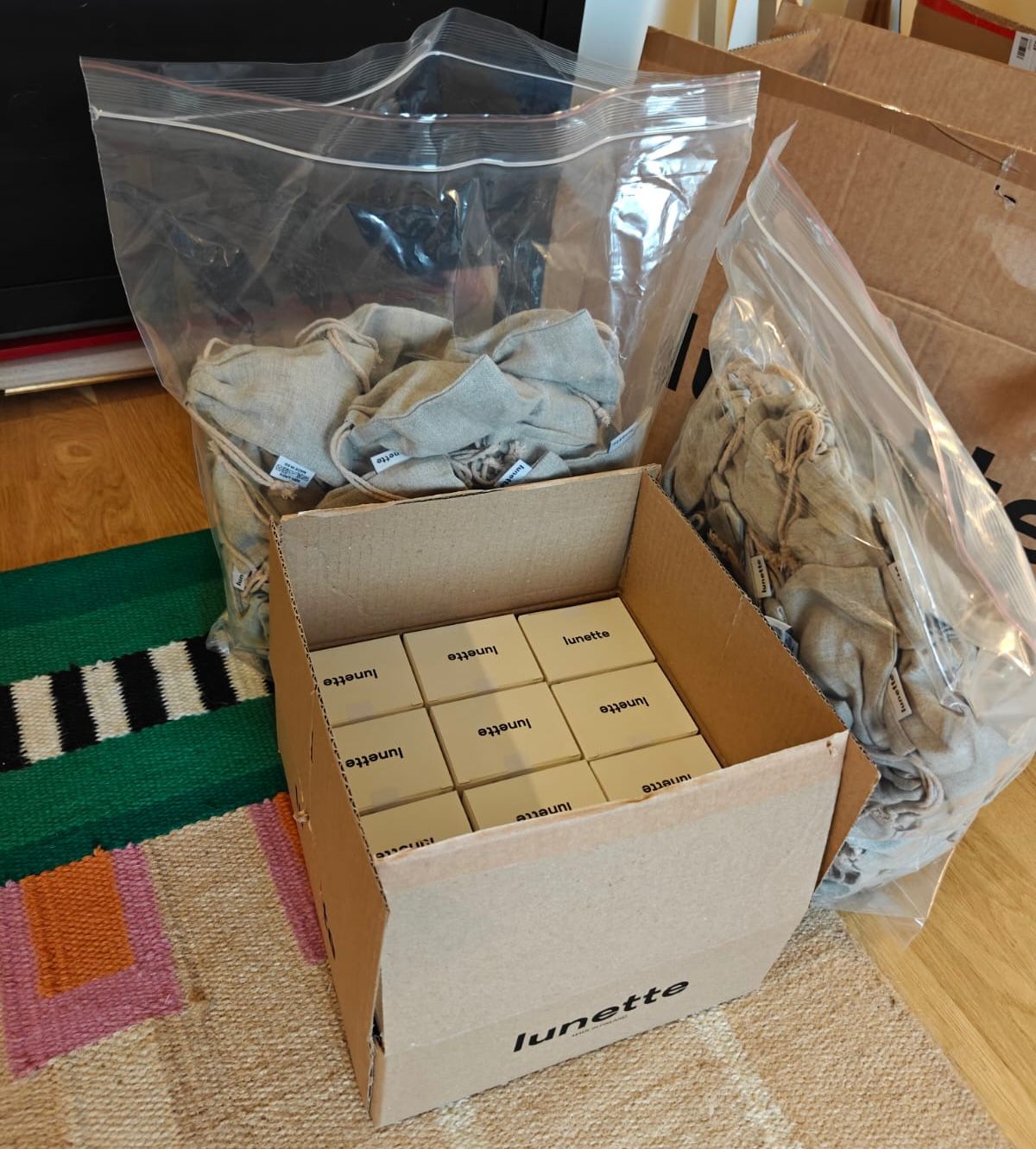
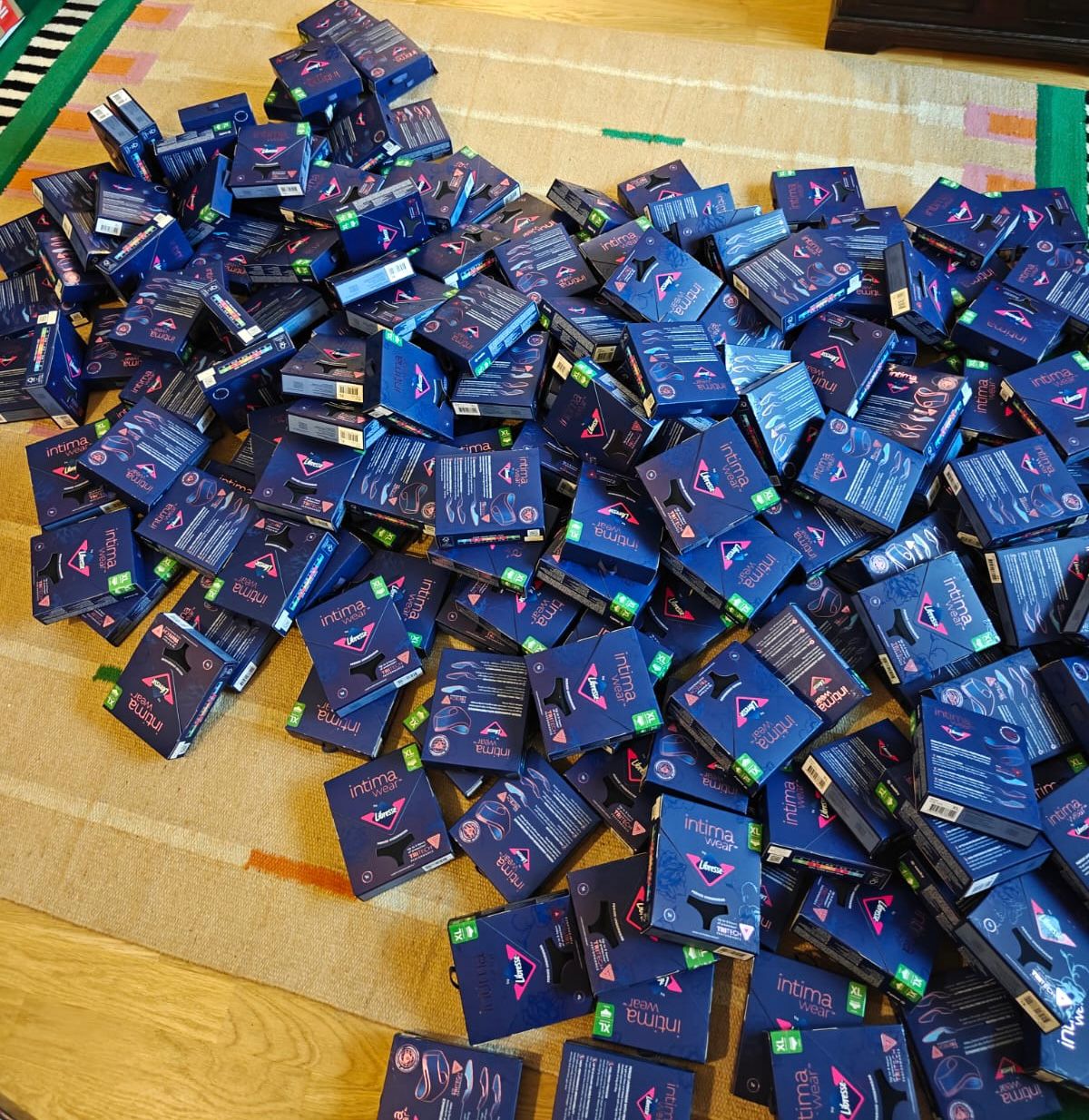
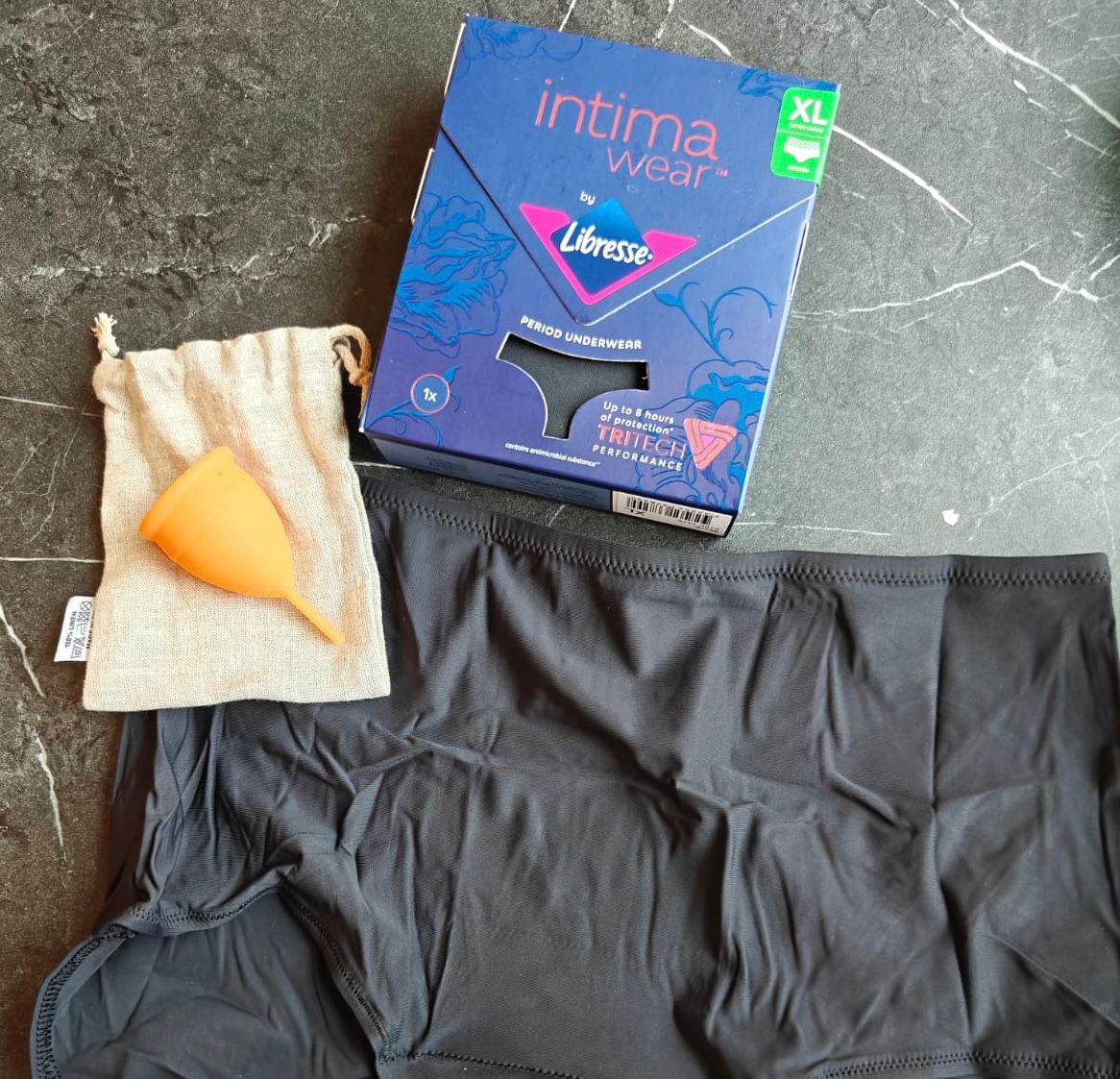
Because these topics can be sensitive, the after-school clubs will be held separately for girls and boys. It is, however, equally important for boys to learn about menstruation and pregnancy. Many girls miss school days due to period shame — they lack menstrual supplies and face teasing from boys who simply don’t understand what’s happening. While education alone cannot solve this, we’re bringing along 250 pairs of menstrual underwear and 160 menstrual cups. During the sessions, girls will also learn how to sew reusable pads. The menstrual supplies were funded through sales at the World Village Festival in Helsinki last May — warm thanks to everyone who supported us there! The menstrual cups were kindly donated by Lunette.
And yes, this training will also include the classic condom-and-banana demonstration. As awkward as it may be, it remains one of the most practical and effective lessons for preventing sexually transmitted infections and unplanned pregnancies. The after-school clubs will be interactive, with discussions and hands-on activities that make the learning both engaging and memorable.
Tanzania has been somewhat unsettled since the recent presidential elections. Demonstrations have now calmed across the country, and it seems that my colleague Jenni Katajarinne and I will be able to travel later this week as planned. Our flights have already been postponed once, and we’ll do so again if necessary — safety comes first! Internet connections in Arusha tend to be quite unstable, so we’ll likely share updates only after we’re back in Finland. Stay tuned!
Taika Wiikari
Midwife, Specialist in Sexual and Reproductive Health