Arusha, Especially! 2025-2028
Project Background

The project is funded by Ministry for Foreign Affairs of Finland and it supports the right to education for children with disabilities (CWD), helping them access schooling, employment, and a better quality of life. It also encourages their participation in advocacy and social discussions. With support from the ABILIS Foundation, already five sign language interpreters were engaged to work in schools with deaf students between 2019 and 2025.
Key efforts of the project include sexual health education and promoting awareness of bodily rights, especially for girls. Since many CWD, particularly girls, lack access to education, the project informs them, their parents, and other stakeholders about their rights and pushes for policy changes.
In Tanzania, secondary education is provided in English, but most teachers don’t use sign language, making it extremely difficult for deaf students to learn. This leads to poor performance and high dropout rates. Sign language interpreters are essential in schools for the success of CWD.
The project trains teachers to better support students with disabilities and provides accessible learning materials. It also helps students develop digital skills to learn independently and participate in modern society. Upgraded infrastructure and assistive technology make education more inclusive for all learners.
Currently in Tanzania:
Mentorship Training Launched in a Spirit of Enthusiasm
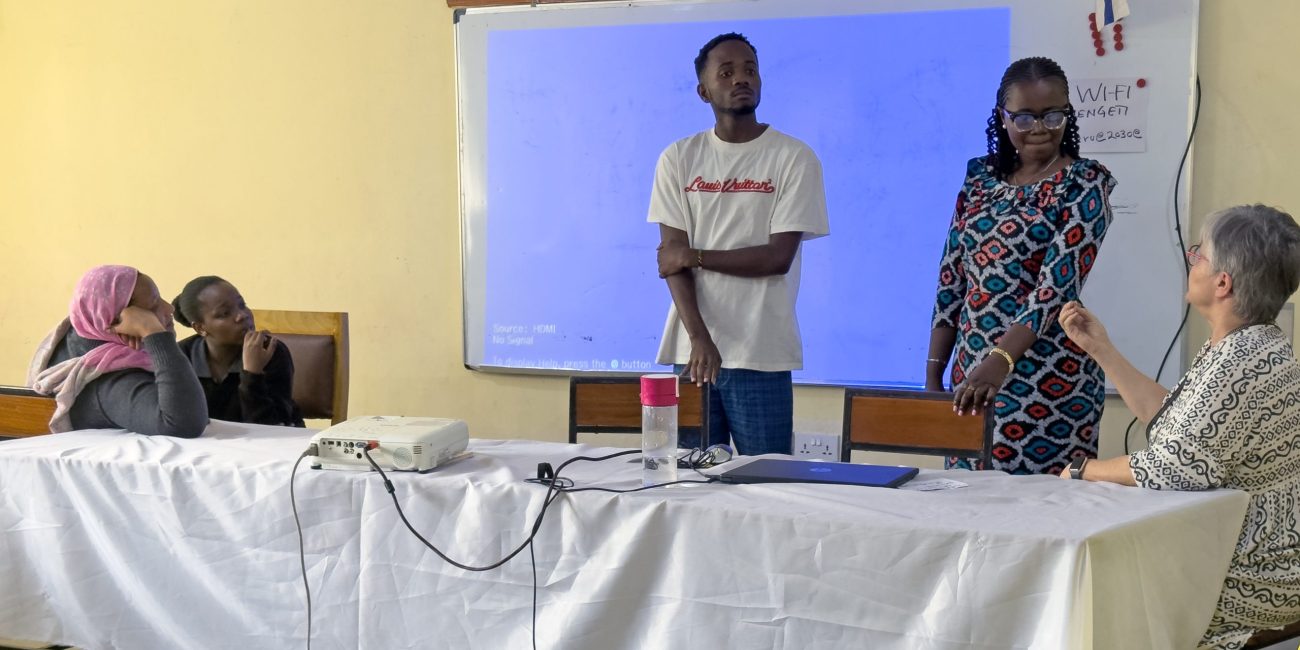
On Monday, March 10th, 2025, a new mentorship training program was launched, bringing together 14 motivated teachers from three different schools. This diverse and skilled group shares a common goal: to develop special education practices and strengthen their professional expertise within their own schools. Among the participants is also a teacher who is both visually and hearing impaired, whose presence brings an important perspective to issues of accessibility and inclusion.


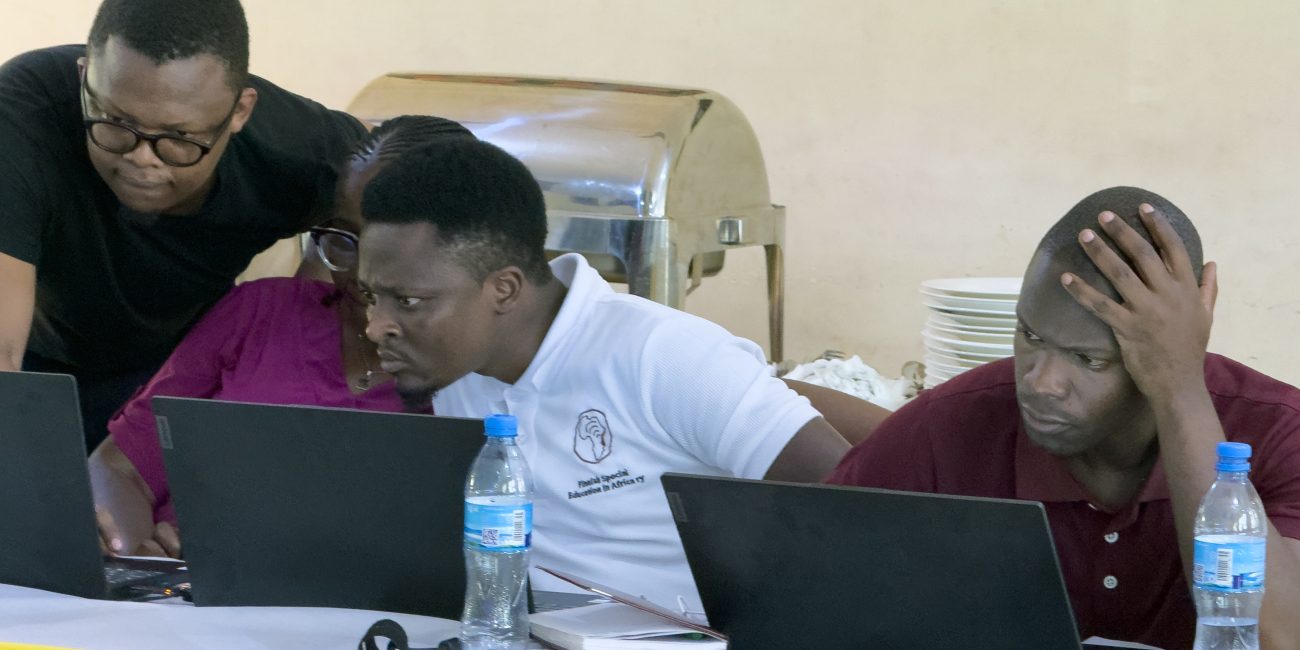
During the first weeks of training, the participants explored topics such as the basics of digital technology, the meaning and practices of mentorship, and concrete examples of how digital tools can be implemented in teaching learners with disabilities. These sessions opened up eye-opening insights into both everyday challenges and opportunities.
Following the initial intensive phase, the mentorship training will continue online at a gentler pace. The sessions will be conducted via Zoom in approximately two-hour meetings, either with the whole group or in smaller, topic-specific teams. This format allows for deeper reflection and more manageable progress.
We are delighted and grateful to be undertaking this important work alongside such dedicated and capable teachers. The mentorship training is only just beginning, but it already shows signs of hope, commitment, and a shared desire to make education more inclusive and equitable.
More Project Updates!
Projected Outcomes
Increased Access to Education
More CWD, particularly girls, will gain access to schooling through advocacy efforts targeting policymakers, parents, and stakeholders.
Improved Educational Support
Teachers trained in inclusive education methods, including sign language, will be better equipped to support diverse learning needs, reducing dropout rates and improving academic performance among students with disabilities.
Enhanced Digital and Learning Skills
Training and the integration of digital tools will empower students with disabilities to learn independently and participate more actively in education, work, and society
Greater Awareness of Rights
Children and youth with disabilities, alongside their families and communities, will be more informed about their right to education and bodily integrity, leading to increased advocacy and participation in societal discussions
Improved Learning Materials and Infrastructure
The development of accessible, high-quality learning materials and assistive technologies will enhance the learning experience for students with visual, hearing, and other impairments
Strengthened Policy Influence
The project will contribute to shaping policies that promote equal educational opportunities for CWD, fostering systemic change for a more inclusive education system in Tanzania